
 Barsby Dr, Loughborough, LE11 5UJ


The Playgroup
Find everything you need to now about our playgroup right here.

What does my child need to bring with them?
Children will need to bring in a named bag with nappies (if needed) and wipes and a spare change of clothes including socks. They will also need a pair of indoor shoes (slippers or plimsoles are great) and a pair of wellies to leave at playgroup.
If your child is at playgroup all day or from 12-3.00 please bring a healthy packed lunch in a named bag. We are a nut free playgroup so please do not send in any products containing nuts. This includes Nutella spread.
Children’s development and learning (EYFS)
We follow the 4 guiding principles of the Early Years Foundation Stage (EYFS) framework:
- every child is a unique child who is constantly learning and can be resilient, confident and self-assured;
- children learn to be strong and independent through positive relationships;
- children learn and develop well in enabling environments, in which their experiences respond to their individual needs and there is a strong partnership between practitioners and parents and/or carers;
- children develop and learn in different ways and at different rates.
The EYFS seeks to provide:
- quality and consistency in all early years settings, so that every child makes good progress and no child gets left behind.
- a secure foundation through learning and development opportunities which are planned around the needs and interests of the individual child and are assessed and reviewed regularly;
- partnership working between practitioners and with parents and/or carers;
- equality of opportunity and anti-discriminatory practice, ensuring that every child is included and supported.
The framework covers the education and care of all children in early years provision, including children with special needs and disabilities.
Join the queue!
Sorry, we are full at the moment, but we do have a waiting list, here's how to enrol your child into us:
CALL: 01509 262 777
Links with Robert Bakewell Primary School
Our playgroup is set in the grounds of the primary school; this enables us to have a great relationship with the school leading to a real community feel and also smoother transitions for the children that move to the school when they leave playgroup.
Our children are able to see their siblings and friends when playing in the playground, this can help with the settling in process. We are able to use the school playground and field for sports and general exploration as well as using the school hall for our Christmas production each year.
When it comes to transitioning to primary school, we are well placed for the reception teachers and SENCO from the school to visit and get to know the children before they start with them, in addition the playgroup staff take children on regular visits to the school to help them become familiar with the rooms, staff and facilities. We have found that this makes the transition to school so much more relaxed for both children and parents.
Outdoor play and Free Flow
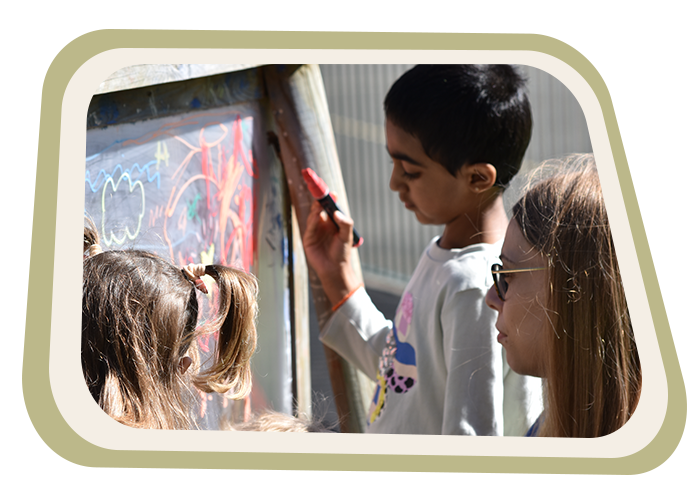
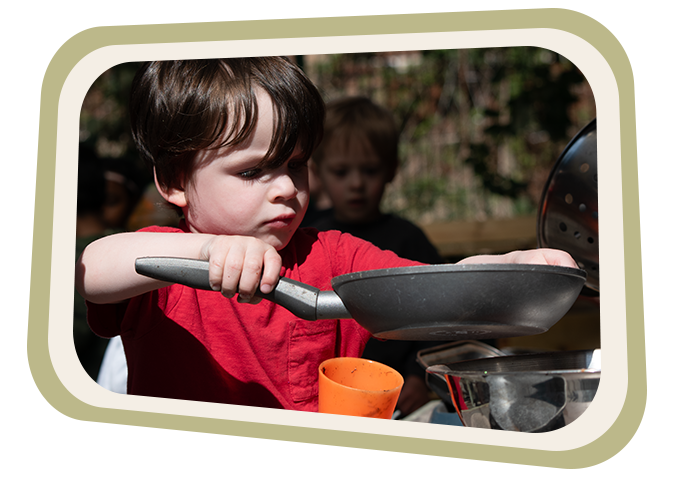
As parents, you want your child to be happy, healthy, and confident. One of the best ways childcare settings help children thrive is by letting them play outside and giving them the freedom to choose what interests them—this is called “outdoor play” and “free flow.” Outdoor play means exploring and playing in fresh air, while free flow is about children being able to move between indoor and outdoor areas as they wish. These approaches spark curiosity, help children learn, and support their overall wellbeing. Some of the ways in which outdoor play and free flow can help your child’s development and well-being are:
Building Strong Bodies
- Better Physical Health: Running, jumping, climbing, and balancing outside builds strong muscles and bones. Children become more active and fit simply by having space to move.
- Healthy Habits: Regular outdoor activity helps keep children at a healthy weight and builds habits that last a lifetime.
- Sunshine and Fresh Air: Being outside exposes children to sunlight, which helps their bodies make vitamin D for healthy bones and a strong immune system.
Growing Minds
- Discovery and Learning: Nature is full of surprises and chances to learn. Children observe animals, plants, weather, and seasons, sparking their curiosity and creativity.
- Problem-Solving: Outdoor play encourages children to think for themselves—whether they’re working out how to climb a tree or build a fort with friends.
- Language Development: Sharing outdoor adventures leads to lots of talking, listening, and new words.
Happy Hearts
- Confidence: When children choose their own activities and try new things outside, they feel proud and independent.
- Reducing Stress: Time in nature is calming and can help children handle big feelings and feel more relaxed.
- Friendship & Sharing: Playing together outdoors encourages teamwork, sharing, and making friends, as children work together on games and projects.
Freedom to Choose (Free Flow)
- Independent Learning: Children get to follow their interests, whether that’s digging in sand, painting inside, or exploring a garden.
- Inclusion: Free flow helps every child join in, no matter their abilities or energy levels, as they pick activities that suit them.
- Longer, Deeper Play: When children can choose, they focus better and enjoy activities for longer periods, leading to richer learning experiences.